Qigong once existed as a closely guarded secret passed down from master to disciple. In recent years, however, it has become a global phenomenon. Specifically, people of all ages now practice medical qigong in parks, recreation centers, and clinics.
Furthermore, China’s official endorsement of the practice as a national health tool has spurred rapid global growth. Because of this support, the discipline attracts significant attention from the international medical community. While Western medicine was traditionally cautious about chi energy, healthcare systems now show a noticeable shift. In fact, some providers currently offer limited coverage for holistic practices like acupuncture and qigong.
Advances in Research and Technology
Notably, breakthroughs in quantum physics and advances in sophisticated technology have opened new avenues for research into bioelectricity and medical qigong. These emerging fields link directly to progress in nanotechnology and brain science, providing better tools to study qigong’s effects on the human body. By utilizing these modern resources, scientists can now more accurately measure the physical and neurological changes that occur during practice.
Although most research still originates in China, countries like Canada, the United States, Japan, and Australia are making substantial progress in documenting studies. As a result, these nations continue to validate this relatively new area of medicine through rigorous data. Notably, ongoing studies supported by the National Institutes of Health (NIH) in the United States exemplify these international initiatives. Specifically, the NIH succeeded the National Center for Complementary and Alternative Medicine (NCCAM) and now funds critical qigong projects. These studies focus on significant health benefits, including cardiovascular health, chronic pain management, and mental health treatment.
Global Collaboration and Scientific Evidence
Despite the lack of unanimous agreement on the existence of chi energy and meridians, respect for qigong research from China continues to grow. Specifically, the extraordinary abilities of qigong masters have captured the interest of the international community. As a result, this has fostered increased global collaboration and knowledge sharing among scientific and medical communities.
Notably, the International Society for Medical Qigong (ISMQ) exemplifies this cooperation. By organizing conferences, the ISMQ brings together researchers, healthcare professionals, and qigong practitioners to exchange knowledge. Furthermore, these events promote qigong’s global application for health.
While Western medicine has traditionally been skeptical, the scientific community now gradually recognizes qigong’s potential in treating various conditions. Currently, researchers focus on understanding the underlying mechanisms of the practice. In particular, they study its effects on the body’s bioelectric field and its influence on brain function, stress management, and immune system support.
Key Studies on Qigong’s Benefits
Several studies highlight the specific health benefits of qigong. For instance, a 2016 PLOS One study found that qigong improved cardiovascular health by reducing stress and heart rate variability. Specifically, this research highlighted qigong’s role in regulating autonomic nervous function and its potential as a complementary treatment for heart disease.
Regarding chronic pain management, a 2019 meta-analysis in the Journal of Pain Research concluded that qigong has a positive impact. In particular, the study focused on conditions like osteoarthritis, fibromyalgia, and back pain. Ultimately, the results suggested that regular practice could reduce pain intensity and improve overall quality of life.
In addition, a 2020 study in Frontiers in Public Health explored qigong’s effects on cancer patients undergoing treatment. Notably, the results indicated that qigong significantly reduced fatigue and improved mental well-being. Therefore, the study suggested its potential as a complementary therapy for cancer recovery.
Finally, a 2021 review in the Journal of Clinical Psychology noted qigong’s effectiveness in mental health. Practitioners reported reduced symptoms of anxiety, depression, and PTSD. As a result, many participants experienced improved mood and better emotional regulation.
China’s Role in Qigong’s Growth
Although qigong has been accepted in China for centuries, formal government support for research into its health benefits began only in the last 30 years. In the early 1980s, the Chinese scientific community began investigating qigong’s therapeutic benefits. This initiative led to the publication of hundreds of reports.
By 1986, researchers had presented approximately 840 qigong research abstracts at international conferences. Notably, translators provided English versions for about half of these documents. As of 2025, international collaboration on qigong research has expanded significantly. Furthermore, Dr. Kenneth Sancier’s international qigong research database remains an important resource for practitioners and scientists alike.
Qigong’s Integration into Modern Medical Systems
Since the 1970s and 1980s, qigong’s growing popularity has led to the establishment of numerous institutes dedicated to its study as a legitimate therapy in China. Today, Chinese medical students learn both tai chi and medical qigong, preparing them to treat patients and teach others.
Furthermore, many Chinese hospitals now have qigong physicians on staff. In these facilities, healthcare providers offer qigong classes for both employees and patients. Consequently, qigong is now fully integrated into China’s official healthcare system. As global interest grows, the international community increasingly recognizes the practice as a complementary therapy supported by scientific evidence. Ultimately, its ongoing integration into healthcare practices worldwide shows great promise for the future.
Contributions of Modern Qigong Practitioners
Cheng Man Ch’ing (1902-1975)
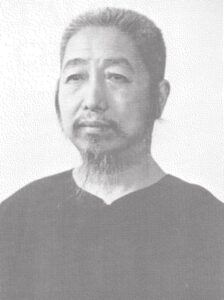
Cheng was a true “Master of Five Excellences.” This title reflected his proficiency in Chinese medicine, Tai Chi Chuan, calligraphy, painting, and poetry. As a child, Cheng accompanied his mother to study medicinal plants, which sparked his interest in herbal medicine. By his teens, he was already supporting himself as a professional artist.
At just 19, Cheng became a professor of art in Fuzhou. However, when he contracted tuberculosis, he turned to Tai Chi Chuan to speed his recovery. Simultaneously, he graduated with distinction in traditional Chinese medicine. Between 1928 and 1935, he trained with Yang Cheng-fu. Eventually, Cheng developed a shorter Yang-style form and moved to the United States in 1964. By teaching large groups instead of following private lineage traditions, he helped popularize Tai Chi Chuan worldwide.
Jiang Wei-Qiao (1873-1958)
As a pioneering educator, Jiang was one of the first to introduce qigong as a health practice to the Chinese public. Notably, he authored the influential book Yinshizi Jingzuofa (Yinshizi’s Meditation Technique). Because he suffered from a weak constitution since childhood, Jiang nearly died from pulmonary tuberculosis at age 28. However, he recovered after practicing Taoist-style qigong four times a day for 85 days. Following this success, he continued practicing for several years before switching to Buddhist qigong exercises.
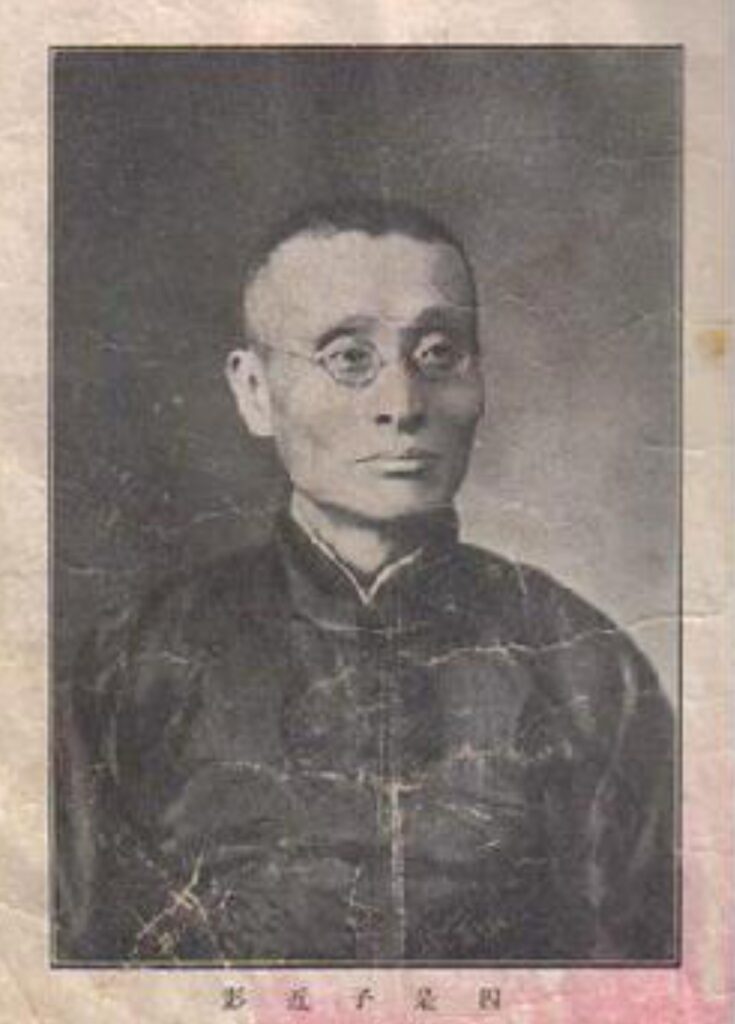
During his studies in Japan, the scientific approach the Japanese applied to meditation deeply impressed Jiang. Specifically, he noticed the growing popularity of the practice and felt inspired to make qigong more accessible to the public. Consequently, he published Yinshizi Jingzuofa in 1914, which became widely known in China.
Four years later, Jiang published a second book that combined Taoist meditation techniques with Tibetan Buddhist Tiantai practices. Until his death in 1958, he continued promoting qigong for health. During this time, he supervised a qigong clinic in Shanghai, wrote articles, and gave lectures on the topic.
Liu Gui-Zhen (1920-1983)
Before the term qigong became widely used, this practice was known by many other names. Specifically, these included Daoyin, Xingqi, Liandan, Xuangong, Jinggong, Tiaoqi, and Fuqi. In 1953, Liu Gui-Zhen published an article titled Practice on Qigong Therapy. In this work, he defined qigong as a practice of breathing and energy circulation techniques aimed at improving health. Furthermore, he explained how the practice strengthens the mind, body, and spirit. This definition remains in use worldwide today.
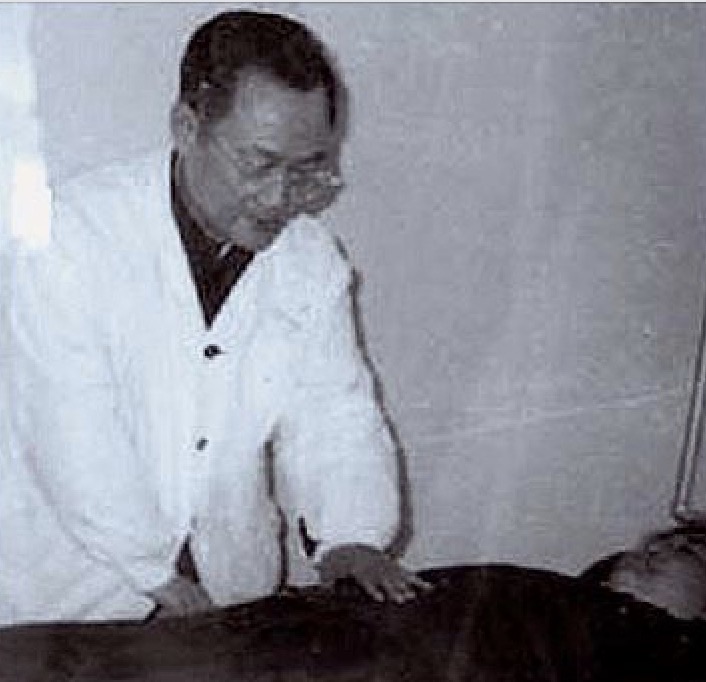
Liu was active in the communist movement until 1948, when declining health forced him to retire to his rural hometown in Hebei Province. There, he began learning Nei Yang Gong, which is a form of medical qigong practiced through lineage transmission. Fortunately, Liu’s uncle, the fifth successor of this tradition, was able to teach him. Because of these lessons, Liu recovered after just 100 days of practicing qigong and returned to work in full health.
By 1949, Liu began teaching qigong to patients in state-run clinics. His success eventually led to the establishment of the first medical qigong clinic in Tangshan city in 1954. A year later, he published two books on Nei Yang Gong and its applications for treating illnesses. Although political upheaval during the Cultural Revolution halted his work in 1964, Liu resumed teaching in 1980 before passing away in 1983.
Yan Xin (1950-Present)
Born in Sichuan Province, Dr. Yan Xin is a physician, professor, scientist, and qigong expert who has written extensively on the subject. From a young age, he trained in qigong and traditional Chinese medicine under many distinguished practitioners. These early experiences shaped his lifelong dedication to the healing arts.
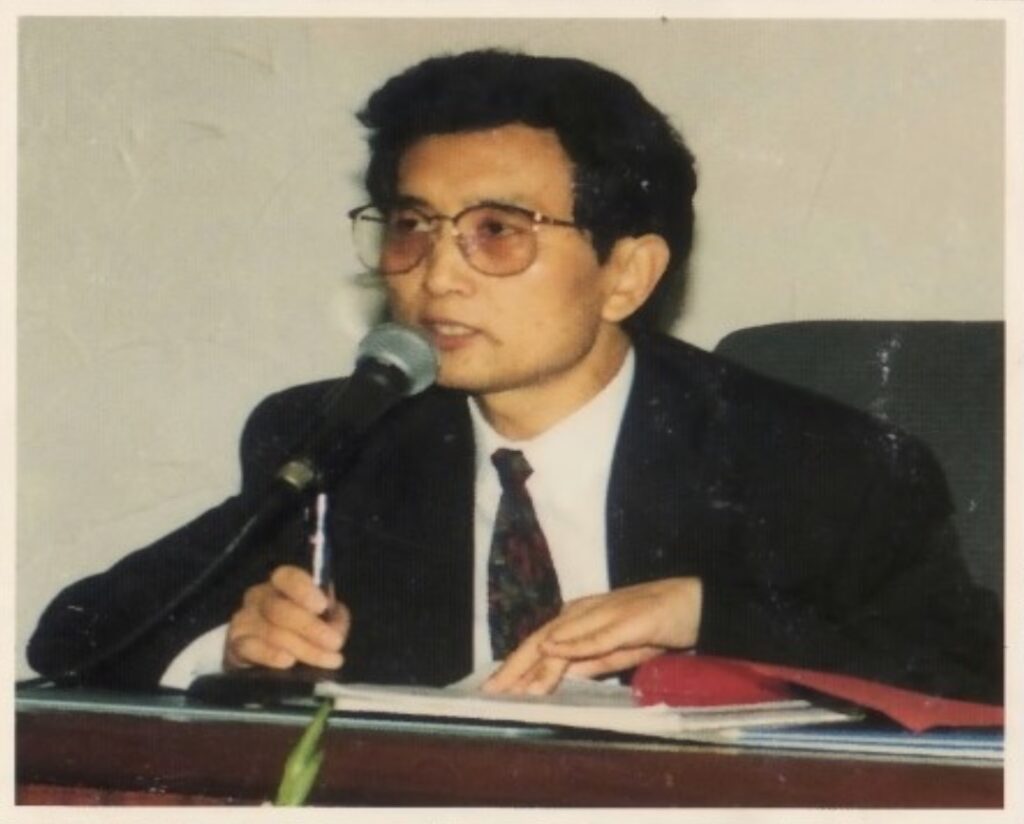
Dr. Yan Xin’s research focuses on medical qigong, particularly its use in treating various ailments. Specifically, he developed his own set of qigong techniques called Yan Xin Qigong. Since the 1980s, he has collaborated with researchers in both China and the United States to study the effects of chi emissions on various mediums. Furthermore, he has presented his findings at numerous international conferences.
His primary mission has been to bridge Eastern and Western scientific approaches. By doing so, he advances the understanding of medical qigong through rigorous research.
Some Concluding Observations
Currently, estimates suggest that more than two million people practice some form of qigong in China alone. Whether they gather in public parks, hospital clinics, or government-sanctioned organizations, the practice remains a staple of daily life. Since the 1980s, numerous new medical qigong groups have emerged. These include Dayan Gong (Wild Goose Qigong), Guo Lin New Qigong, Hexiang Zhuang, Crane Qigong, and the controversial Falun Gong.
However, medical qigong was not always welcomed by the Communist regime. Following the fall of the Qing Dynasty and the establishment of the Communist government in the 1940s, officials viewed anything resembling religion with suspicion. Consequently, many practitioners kept a low profile to avoid conflict. In fact, one practitioner recalled that qigong was considered “witchcraft” at the time, forcing many to chant Maoist slogans to blend in. During this period, the pervasive influence of Maoism dominated every aspect of Chinese ideology.
By the time the Cultural Revolution ended, China’s government finally recognized the practical benefits of qigong for well-being. This shift allowed the practice to make a full resurgence as a promoted preventative and therapeutic tool. Because of its verified benefits, qigong has now gained a significant following worldwide. In addition, the scientific and medical communities continue to explore its therapeutic potential. Clearly, their research confirms that this ancient practice is here to stay.
Reference List
Chen, K. (1998). Qigong: A comprehensive textbook. China Science Publishing House.
International Society for Medical Qigong. (2023). Medical qigong: An academic exchange of research and clinical practice. ISMQ. https://www.ismq.org
Jahnke, R. O. (1996). History of qigong. Healthy.net. http://www.healthy.net/scr/Article.asp?Id=259&xcntr=4
Liu, W., Zhang, H., & Yang, Z. (2022). Medical qigong: A historical perspective and current research. Chinese Journal of Integrative Medicine, 28(10), 871-879. https://doi.org/10.1007/s11655-022-3795-0
Lowenthal, W. (1991). There are no secrets: Professor Cheng Man Ch’ing and his Tai Chi Chuan. North Atlantic Books.
National Center for Complementary and Integrative Health. (2023). Qigong and Tai Chi: An overview. National Institutes of Health. https://nccih.nih.gov/health/qigong
Niu, L., Zhang, Y., & Li, S. (2022). Qigong and bioelectricity: Bridging ancient wisdom and modern science. Journal of Alternative and Complementary Medicine, 28(4), 220-230. https://doi.org/10.1089/acm.2021.0393
PLOS One. (2016). Effects of qigong on cardiovascular health: A systematic review. PLOS One, 11(6), e0156733.
Sancier, K. (2020). Qigong research database. http://www.qigongresearch.com
Yan, X. (1987). Secrets and benefits of internal qigong cultivation. Amber Leaf Press.
Zhang, X., & Liu, Y. (2021). Exploring the bioelectric mechanisms of qigong: Insights from quantum physics and nanotechnology. Journal of Integrative Medicine, 19(5), 312-318. https://doi.org/10.1016/j.joim.2021.07.006